
The 2026 Smart Water
Defense Showdown:
Moen Flo vs. YoLink vs. Phyn Plus
Should you monitor flow, deploy spot sensors, or analyze pressure waves? We break down every technical dimension so you can choose the system that actually stops a flood claim (US average $13,954).
The 2026 Comparison Matrix
Most smart water shut-off systems range between $350 and $900, with Moen and Phyn positioned as premium all-in-one systems, while YoLink offers a more affordable, modular alternative.

Moen Flo (900-001)
The Flow Standard

YoLink X3 DIY Kit
The Long-Range Disruptor
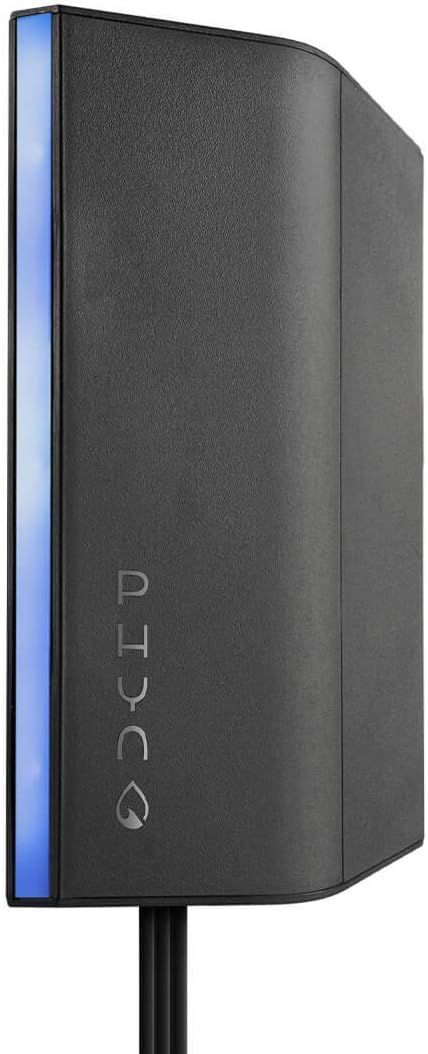
Phyn Plus (2nd Gen)
The AI Pulse Alternative
The 'Flow' Standard
How pattern analysis turns a single valve into a whole-home intelligence system.
The Moen Flo doesn't wait for water to reach a sensor pad. It monitors the entire plumbing system from a single point on the main supply line using an Ultrasonic Flow Meter — a technology borrowed from industrial water management.
Two ultrasonic transducers send sound pulses in opposite directions through the pipe. The difference in travel time between the downstream and upstream pulses is directly proportional to water velocity. No moving parts. No direct contact with water. Accurate to a drop per minute.
How Does It Tell a Toilet Flush from a Burst Pipe?
During the first 7–14 days, FloSense AI enters Learning Mode — building a detailed behavioral profile of your household. It records flow rate, duration, time-of-day, and pressure signatures for every fixture. After learning, it knows that a toilet flush lasts 45 seconds at 1.6 GPM, and that a burst pipe produces continuous high-volume flow at 3 AM with no corresponding usage pattern.
The Moen Flo app provides 30-day usage history, real-time flow rate, temperature, and pressure data. For homeowners who want hands-off automation with deep data visibility, no other system in this comparison comes close.
The 'Long-Range' Disruptor
Why LoRa Frequency changes everything for large estates and concrete construction.
Why LoRa Frequency Wins for Large Homes
WiFi operates at 2.4 GHz or 5 GHz — frequencies that struggle to penetrate thick concrete walls, travel across large properties, or maintain signal in basements and crawl spaces. YoLink uses LoRa (Long Range) radio at 915 MHz — a sub-gigahertz frequency that passes through concrete, brick, and steel with minimal signal loss.
The result: sensors can communicate with the hub from up to a quarter mile away in open air — even through multiple floors and thick masonry. For large US estates, multi-story homes, or properties with detached garages and outbuildings, no WiFi-based system can match this range.
D2D Control: The Internet-Dead Failsafe
Device-to-Device (D2D) control is YoLink's most critical differentiator. When a sensor detects water, it communicates directly with the valve controller — no hub, no cloud, no internet required. The valve closes within seconds regardless of your home's network status.
The 'AI Pulse' Alternative
How High-Definition Pressure Wave Analysis hears what flow meters miss.
AI Pressure Analysis: 240 Readings Per Second
The Phyn Plus doesn't measure how much water is flowing — it listens to the pulse of your plumbing. Using a High-Definition Pressure Wave Analysis engine, it samples water pressure 240 times per second. Every fixture in your home creates a unique pressure signature when it opens or closes.
The Phyn AI learns these signatures and builds a Fingerprinting Fixtures database for your specific home. When an unrecognized pressure pattern appears — the signature of a pinhole leak or a burst pipe — the system triggers an alert and activates the Auto-Shutoff Algorithm.
Phyn vs. Moen: Why One Device Beats 20 Sensors
Moen Flo monitors flow at the main line. Phyn Plus monitors pressure at the main line — and because pressure changes propagate instantly through the entire plumbing system, a single Phyn device can detect a leak anywhere in the home without any additional sensors.
Read the Full Phyn Plus Technical Review →Technical Head-to-Head
Response Latency
FloSense AI triggers shut-off on anomaly detection
D2D protocol bypasses cloud — fastest offline response
Pressure analysis adds slight processing overhead
Matter Integration
Works with Alexa & Google via WiFi; no native Matter chip
Matter bridging needs a YoLink Hub 3 or Local Hub; not every device type is exposed
Phyn lists Alexa, Google Assistant and IFTTT; no Matter support
Maintenance Burden
No batteries; annual plumbing health check recommended
Sensors sip power; hub is always-on
No floor sensors to maintain; firmware updates via app
The One-Line Summary for Each System
Moen Flo (900-001)
Best Whole-Home CoverageThe best hands-off, analytics-rich system for homeowners who want deep data and true automation from a single plumbing-integrated device.
YoLink X3 DIY Kit
Best for Outages & DIYThe only system that works without internet, covers a quarter mile of open air via LoRa, and scales to 300+ devices — the winner for large homes, DIY retrofits, and internet-unreliable environments.
Phyn Plus (2nd Gen)
Best Detection AccuracyThe smartest single-device solution for users who want AI-level pressure intelligence without placing sensors around the house — the premium all-in-one alternative.
"Most smart water shut-off systems range between $350 and $900, with Moen and Phyn positioned as premium all-in-one systems, while YoLink offers a more affordable, modular alternative."
These are the Top Reviewed Products as listed in the Leak Check Pro footer. Each has a dedicated full technical review linked above.
Frequently Asked Questions
YoLink wins here without question. Its LoRa (Long Range) radio frequency operates at 915 MHz and can penetrate concrete walls and travel up to a quarter mile in open air — far beyond the range of any WiFi-based system. Moen Flo and Phyn Plus both rely on WiFi, which struggles with thick masonry construction.
Only YoLink guarantees a shut-off without internet. Its Device-to-Device (D2D) protocol allows sensors to communicate directly with the valve controller, bypassing the cloud entirely. Moen Flo and Phyn Plus both require an active internet connection for full functionality, though they may retain some local processing capability.
Both detect hidden leaks, but through different methods. Moen Flo uses its Nightly Health Check — closing the valve at 2 AM and monitoring for pressure drops. Phyn Plus monitors pressure 240 times per second, 24/7, using AI Pressure Wave Analysis. Phyn's continuous monitoring gives it a slight edge for real-time hidden leak detection, while Moen's nightly test is more structured and predictable.
YoLink is the clear winner for DIY installation. The sensors are wireless and battery-powered — you simply place them near potential leak points. The valve controller clamps onto your existing shut-off valve. Moen Flo and Phyn Plus both require a licensed plumber to cut into the main supply line, adding $200–$400 to the total cost.
None of these three is a native Matter device. YoLink comes closest: its Hub 3 and Local Hub can bridge YoLink devices into a Matter ecosystem such as Apple Home or Home Assistant, though not every device type is exposed, so check which hub your kit ships with. Moen Flo and Phyn Plus have no Matter support; both work with Alexa and Google Assistant through their own apps. If Matter is the priority, our Matter guide covers the sensors that support it natively.
Quiz: Which Smart Leak Defense
System Fits Your Home?
Answer 4 questions and our Decision Engine — developed by LeakCheckPro to provide objective, research-based guidance — will match you with the right system for your infrastructure.
What is your primary goal?
This diagnostic tool was developed by LeakCheckPro to provide objective, research-based guidance. No sponsored results.

Written by
SK Kutubuddin
Founder & editor, LeakCheckPro
A former aviation professional with over two decades of hands-on expertise in aero-engine maintenance, inspection, and tool management.
He is not a licensed plumber. Reviews here are built from manufacturer documentation, published standards and independent testing where it exists, and every figure is cited. Nothing on this site claims a hands-on test that did not happen.